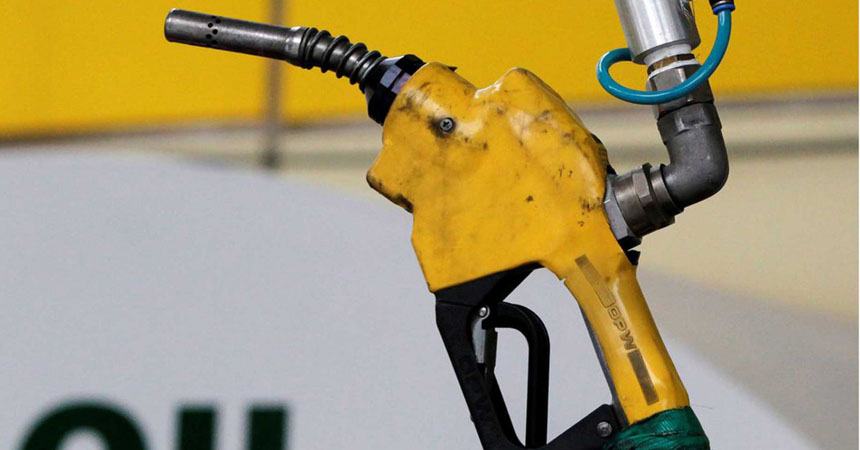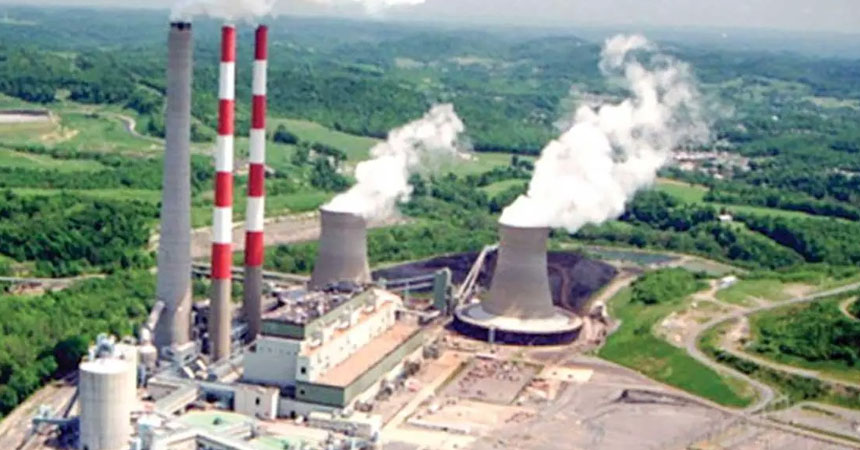
Fuel shortages have reduced electricity generation, forcing a number of mills and factories to suspend operations or scale back production. The crisis is also putting additional pressure on household expenses and government finances.
To cope with the volatility in the global energy market and maintain a stable supply, the government is increasing public spending while simultaneously moving to reform the country's fuel market.
Bangladesh Petroleum Corporation (BPC), the state-owned agency responsible for importing and distributing petroleum products, is incurring substantial losses by purchasing fuel at relatively high prices on the international market and selling it at controlled prices domestically.
According to a report, BPC's losses exceeded Tk 22,000 crore over the past six months. The financial pressure has been attributed to volatility in international oil prices and the government's policy of selling fuel at regulated prices in the domestic market.
Bangladesh is also increasingly dependent on imported liquefied natural gas (LNG) to address its energy shortage. Petrobangla, the state-owned oil and gas corporation, is facing additional financial pressure as it imports LNG at high prices but supplies it domestically at comparatively lower rates.
The report said Petrobangla incurred an additional expenditure of Tk 14,900 crore beyond its allocated subsidy over the past six months.
As a result, losses and additional expenditures incurred by BPC and Petrobangla are placing a direct burden on the government's finances.
The conflict situation in the Middle East is being seen as one of the major factors behind volatility in global energy prices. Any escalation in the region can create uncertainty over fuel supplies and transportation, affecting international oil and gas prices.
Import-dependent countries such as Bangladesh are particularly vulnerable to such fluctuations and are forced to bear the impact through higher import costs and increased pressure on domestic energy markets.
Against this backdrop, the government has initiated a major reform of the country's petroleum fuel market.
For years, BPC has maintained dominant control over the import and distribution of petroleum products. The government is now moving to bring private companies into the fuel import and supply chain, potentially ending BPC's longstanding monopoly over the market.
Work is also underway to formulate the necessary policies to allow private companies to participate in the import and distribution of petroleum products.
The proposed reform is aimed at partially opening the fuel market and increasing competition in the sector.
Bangladesh is going through a difficult period as volatile global fuel prices, rising import costs and shortages of energy for power generation combine to create pressure on the economy.
The situation has been further aggravated by the substantial financial losses and additional expenditures incurred by state-owned energy agencies.
The government's move to involve the private sector in the petroleum market is therefore being viewed as a significant structural reform. Authorities hope that greater competition will improve the efficiency of the supply chain and create new opportunities to manage future energy shortages.
However, the success of the reform will depend largely on the transparency of the policy framework, effective market monitoring and ensuring accountability among private-sector participants.
For the government, the key challenge will be to implement the reform effectively while maintaining a stable fuel supply and reducing the financial burden on the state.